
Towns like Marquette are beautiful for many reasons. Along with the wonderful wilderness that nature has to offer, Marquette has a strong desire to showcase those who live and craft here.
Many stores downtown and the farmers market that takes place twice a week in the summer showcase handmade items from local vendors.
From hand-printed shirts to homemade lavender syrup in lemonades and homegrown vegetables, there is just about everything at this market you can think of.
One thing I noticed was the high price tags on some of these homemade items.
As a college student who tries to save every spare bit of money possible, looking at prices on these items can give me a headache.
It’s easy to fall into a habit of searching for the smallest dollar amount as a student who is already paying so much for tuition, food and housing. While this practice may be good for your wallet, it’s usually not the best for our lovely Earth or the longevity of the items you’re purchasing.
When purchasing from retail locations, most of the clothing on the shelves is considered fast fashion. For those who don’t know, fast fashion is clothing that is made cheaply to follow the latest trends. One of the latest fashion trends right now is polka dots, so an example of fast fashion in Marquette could be a polka-dot top at TJ Maxx. Since fast fashion is made at a rapid rate, manufacturers prioritize quantity over quality. That means you may be getting cute clothing for cheaper, but the durability of the clothing is low and doesn’t last.
Another aspect of fast fashion is the short duration of trends. What’s popular today may not be popular next month, or even next week. So that means when the polka-dot top is no longer cool, it’ll be in the landfill or sitting at a resale store soon. Of course, that basis doesn’t apply for everyone, and there are exceptions. But from my experience looking through thrift store shelves and overhearing conversations with classmates, this is a typical occurrence.
This is where locally made products come in.
Products that are made locally aren’t meant to be bought and worn once—they’re meant to last.
Vendors line up the aisles of the Marquette market with their handmade items, knowing their products last or are made more sustainably.
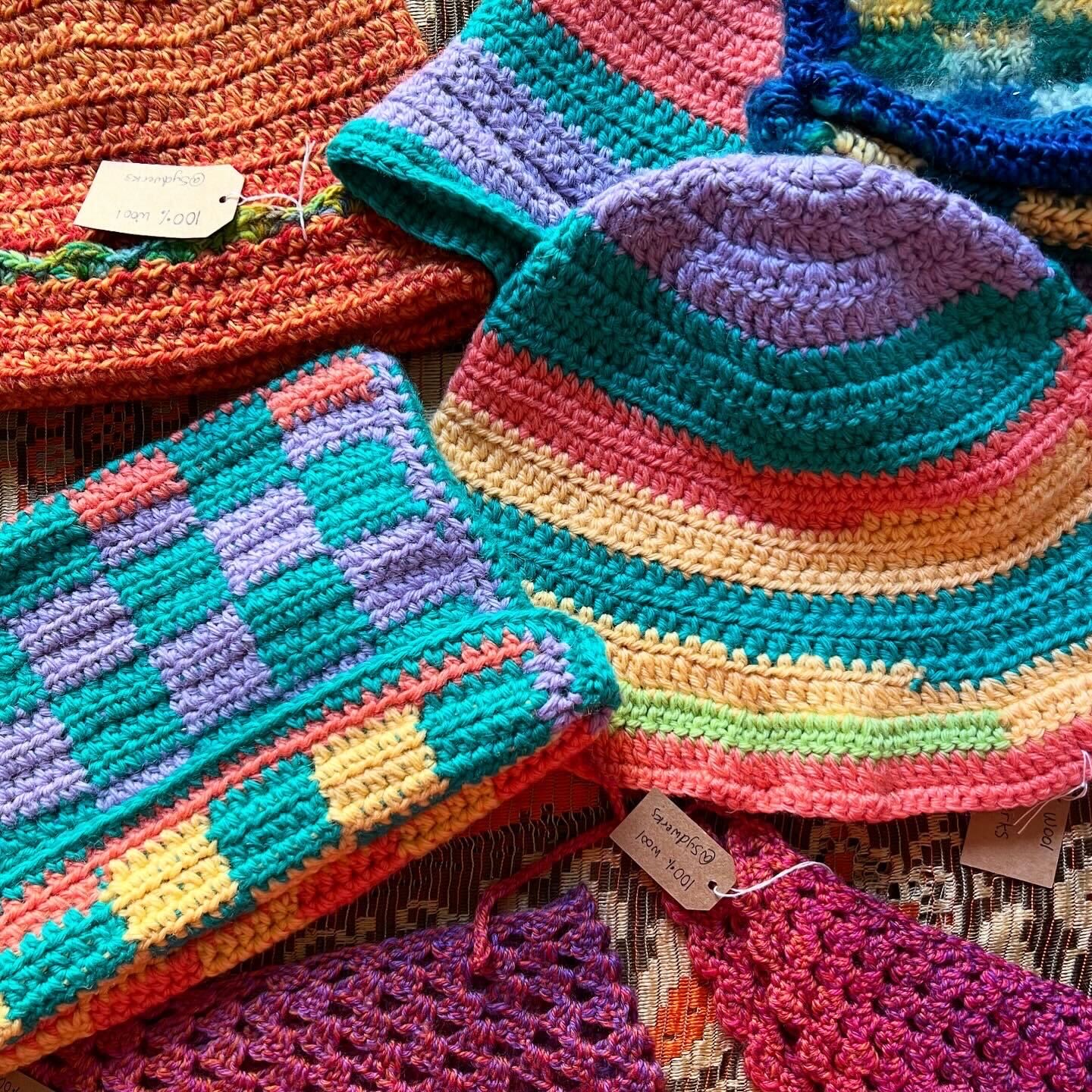
Goods I’ve most commonly seen sold are of the crochet or knitted variety. These skills are difficult to learn. I can crochet a rectangle and that’s about it. Because this skill is difficult, it gets included in the price, along with other costs. That includes the price of tools and materials used, and the time it took to not only make the item, but also shop for the materials.
All these factors are what makes the price of an item higher compared to a factory-made one.
It takes time, effort and patience to make these hand made items, and vendors know what goes into the process, so they set their price points to reflect their time and effort.
Now, I know not all of us have the extra money to shop locally all the time, and convenience is a part of the issue. But the next time you’re buying something off the rack, or know you can purchase something handmade from a local vendor, think to yourself: Is the convenience and price tag behind the item more important to you than the durability and sustainability?
All the information in this article regarding fast fashion was my own prior knowledge, but for the sake of being reputable I found a website that highlights some of the information noted in case readers want to fact-check or learn more. Click here to access the information used in this article.