Local students and community members had the chance to make a quiet, but meaningful contribution as Northern Michigan University prepares to host an on-campus blood drive in partnership with the Upper Peninsula Regional Blood Center.
The event, organized by the Clinical Lab Science Club, offered a practical way for volunteers to support regional healthcare while spending just a small portion of their day. For many on campus, it’s become a welcome reminder of how simple actions can collectively uphold the wellbeing of the broader community.
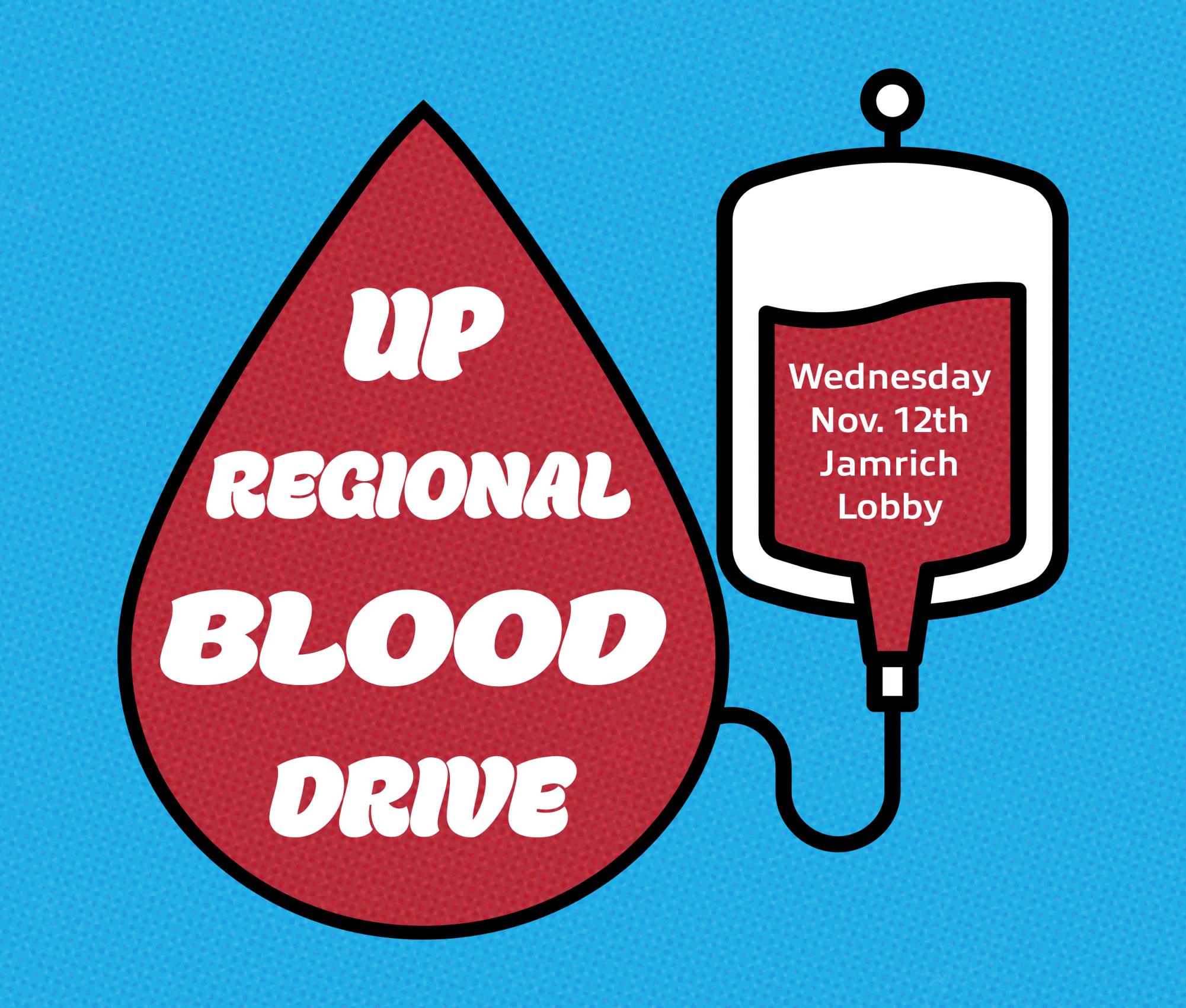
The drive took place on Wednesday, Nov. 12, from 10 a.m. to 3 p.m. in Jamrich Hall, with walk-in availability and advance appointments accepted. Participants completed a brief screening, donated with trained staff from the U.P. Regional Blood Center and received post-donation refreshments.
The goal is straightforward: increase the local blood supply at a time when demand consistently outweighs availability. For the Clinical Lab Science Club, the event also served as an opportunity to highlight the role of medical laboratory professionals and introduce fellow students to volunteer service. Organizers said the setup is simple enough that even first-time donors can move through the process with confidence.
Across campus, students have increasingly taken interest in supporting regional blood efforts, citing both convenience and impact. One student said she plans to donate for the second time this year.
“It only takes an hour, and I know it stays in the Upper Peninsula,” she said. “I’m not in a medical field, but this makes me feel like I’m contributing to something real.”
Her encouragement reflects a broader trend among students who appreciate the direct, local value of their donation.
Another volunteer, a first-year student, described donating as a way to feel grounded during the rush of a semester.
“You’re surrounded by deadlines and everything feels big,” he said. “Then you give blood and realize someone out there genuinely needs what you can spare. It puts things into perspective.”
For many first-time donors, the experience is less intimidating than expected, thanks to the presence of trained staff and a steady flow of peers offering support.
Organizers hope this collective enthusiasm translates into consistent turnout. The U.P. Regional Blood Center depends heavily on community-driven events like this one, as all blood collected stays within the region to serve patients in local hospitals. With holidays approaching—a period when donations tend to decline—maintaining supply levels becomes even more important.
Students who were unable to participate in this event may consider attending future blood drives offered throughout the academic year, as ongoing donor engagement supports the stability of the regional blood supply. Organizers hope the tradition grows stronger with each drive, one donor at a time.