
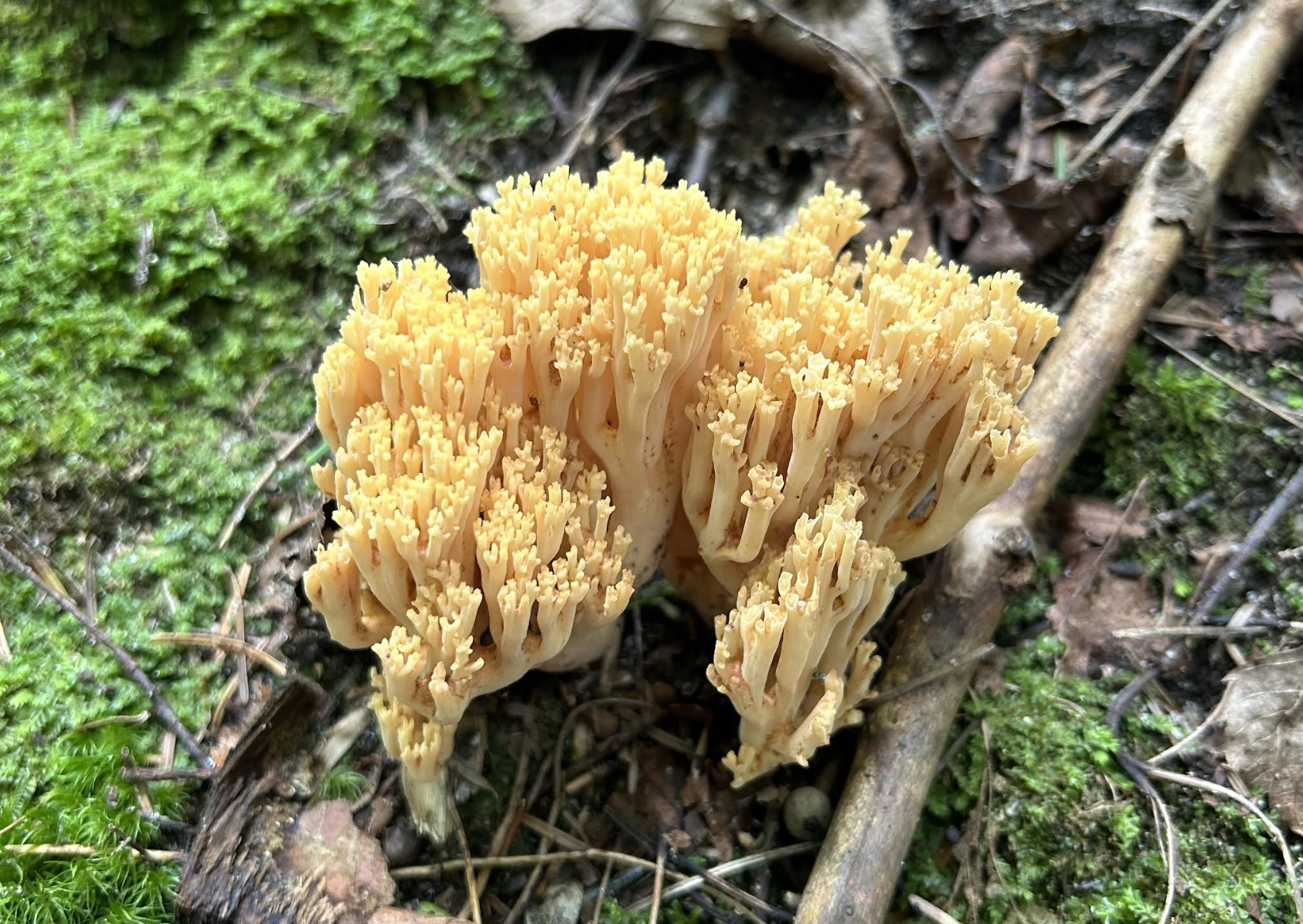
NMU is surrounded by countless unique ecosystems that are built to survive until the blistering winds of winter melt into May. Hidden in darkness below sky-reaching pines and swaying cedars, resting in fallen logs and rock crevices, sit fungi.
Among the blossoming biodiversity of mushrooms has risen a group of students who have found community through their love for mycology (the scientific study of fungi).
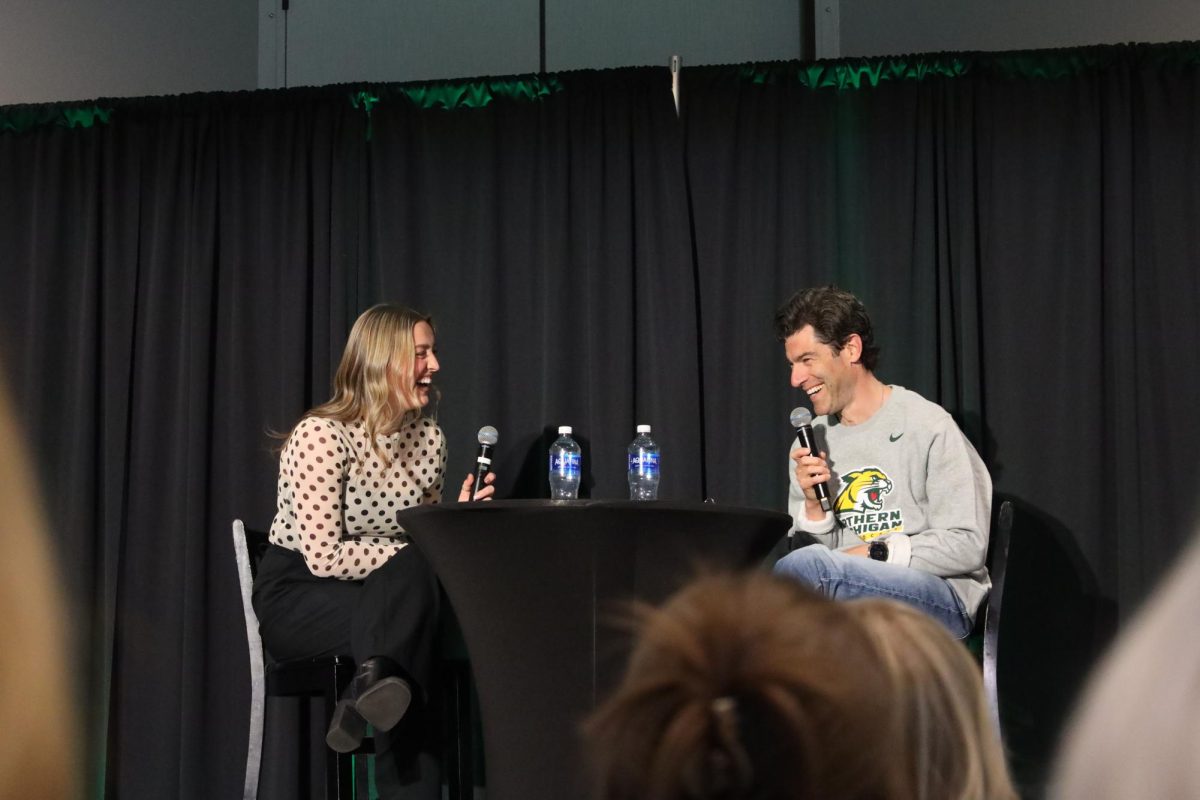
On Monday, March 23, NMU’s Mycology Club hosted a “Myco-Tea Taste Night,” where students interested in mushrooms were able to relax and study while trying different types of mushroom-based tea and coffee. While they were sipping, attendees learned about the ecological importance of fungi and the fascinating ways they can support the mind and body.
The Upper Peninsula is home to over 2,000 species of mushrooms. Some of these spore-producing plants, like morels, are edible and can be used in a variety of ways, while others, such as amanita, are poisonous and should not be consumed.
When Owen Ososki, the club’s president, transferred to NMU, the Mycology Club had dissolved. Eager to share his knowledge and passion, Ososki reached out to the club’s former organizers in hopes of reigniting a fungal flame.
“When I came here, there wasn’t a mycology club anymore,” said Ososki. “So I reached out and was like, ‘hey, can I take this over for you?’”
After successfully recruiting new members, Ososki began planning hikes, study sessions and interclub events centered around mushrooms in Michigan and beyond. The response since has proven that the Mycology Club not only offers students a chance to learn more about the flora that surrounds them, but also an opportunity to make connections and better themselves.
“There’s a lot of stigma around mushrooms, and we’re trying to break that stigma. Mycology is a very underrepresented area of science,” said Ososki. “We wanted to make a community space for people who are interested in mycology and mushrooms; they do so much for our environment and ecosystem.”
When asked about his favorite mushrooms to find near campus, Ososki had no shortage of options for those who want to spend an afternoon foraging this spring.
“I really like waxy caps, which are hygrocybes; the little tiny mushrooms that have bright colors like red and purple, green and yellow,” said Ososki. “They grow in the bogs around here, and it’s always fun to see them sticking out.”
As for the mushroom-based beverages at the event, the Mycology Club brought hot tea and coffee that contained chaga and hibiscus, infused with lion’s mane and cordyceps, which have been shown to improve cognitive function and boost physical energy.
With winter slowly melting away and spring right around the corner, now is a wonderful time to learn something new and meet others on campus who share a passion for Marquette’s mushrooms.
If you were unable to make it to Monday’s meeting, the Mycology Club is hosting another event on April 13, where students will learn how to propagate their own grow kits and hear from one of the professors from NMU’s indoor agriculture department.